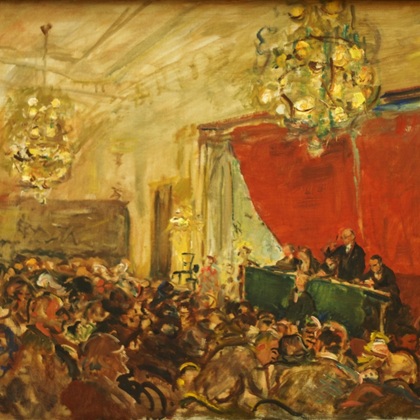
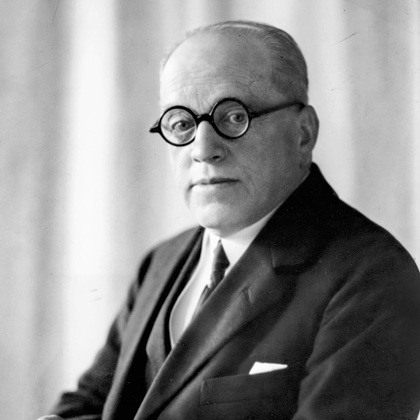
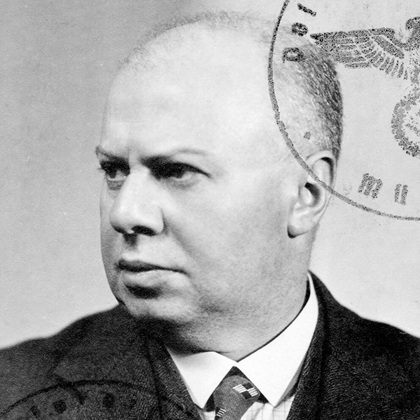
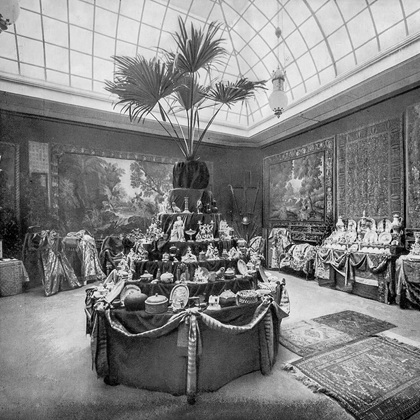
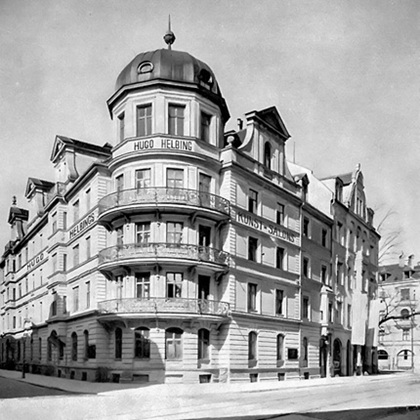
Hugo Helbing founded his auction house on Residenzstraße in Munich at the age of just 22. In 1900, the auction house moved to Liebigstraße, and the Hugo Helbing Gallerie went on to become one of the most renowned auction houses in Europe. Hugo Helbing’s auctions and art salons were not only an integral part of Munich society; they also bolstered Munich’s reputation as a major centre in the international art trade. His son Fritz Helbing had served in the First World War and, after studying art history, worked at his father’s auction house.
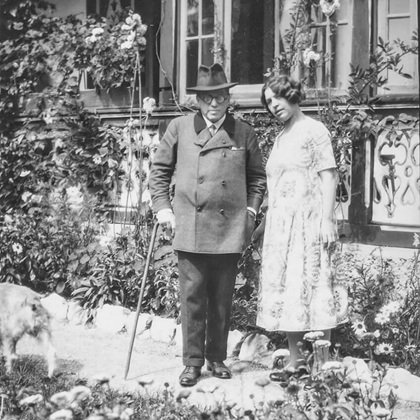
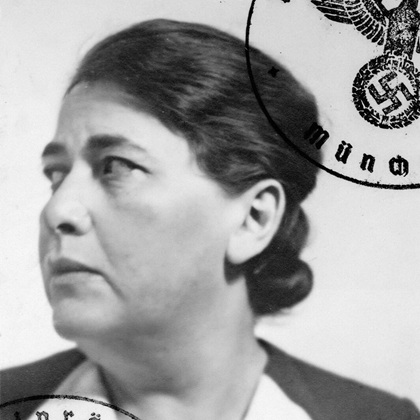
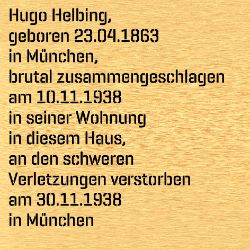
As Jewish art dealers, Fritz and Hugo Helbing were subjected to repression during the Nazi era and were able to hold only a few auctions after 1935. During the so-called ‘Reichskristallnacht’ on 9 November 1938, Hugo Helbing was attacked in his flat and severely beaten; his son Fritz was arrested and deported to the Dachau concentration camp. Hugo Helbing died on 30 November 1938 as a result of his severe injuries. After his release from the Dachau concentration camp, Fritz Helbing was forced to perform hard labour. He married Dora Goldstein in 1941. The couple were forced to live in a so-called ‘Judenhaus’ and later had to move into collective accomodation run by the Jewish community. In March 1943, the Gestapo deported Fritz and Dora Helbing to the Auschwitz extermination camp, where they were murdered, presumably immediately after arrival.
A so-called ‘trustee’ had been appointed for the Hugo Helbing Gallery. The renowned auction house was put into compulsory liquidation and the proceeds from the sale were confiscated by the German Reich.
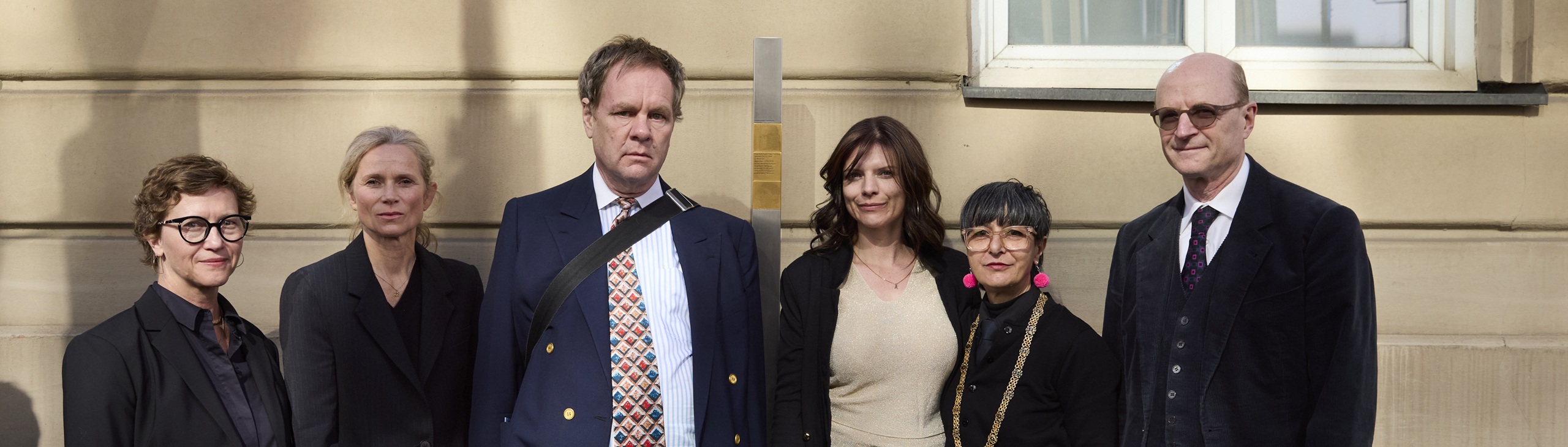
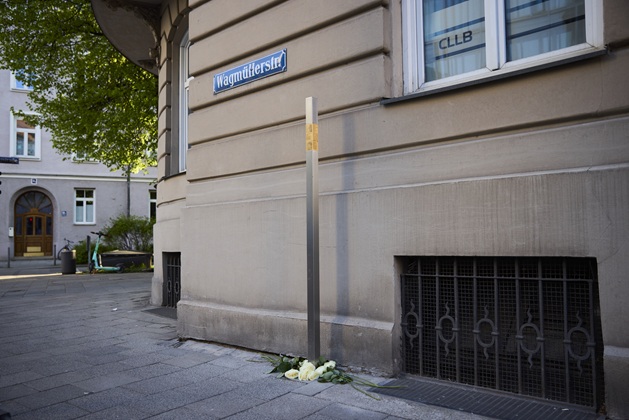
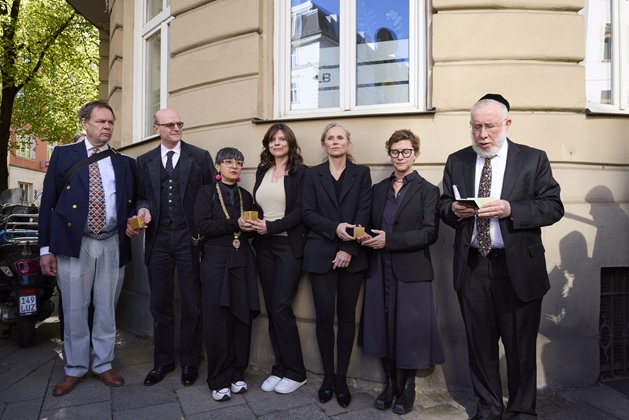
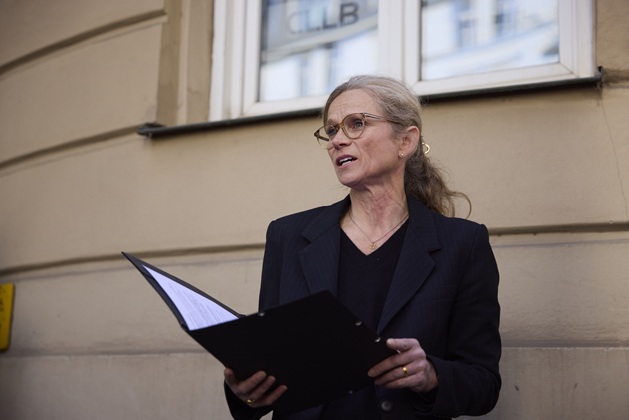
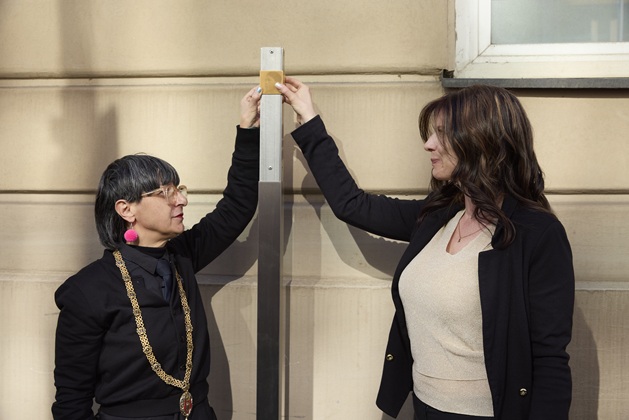
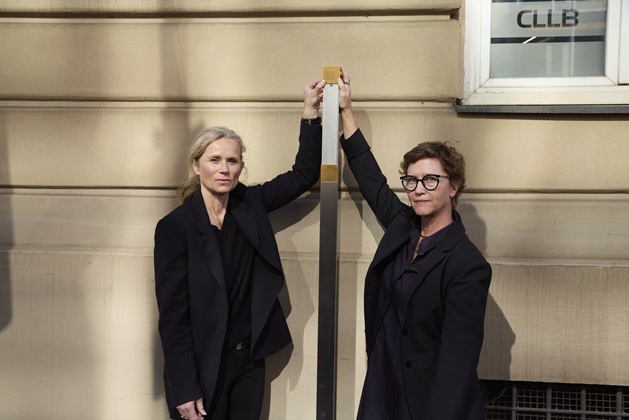
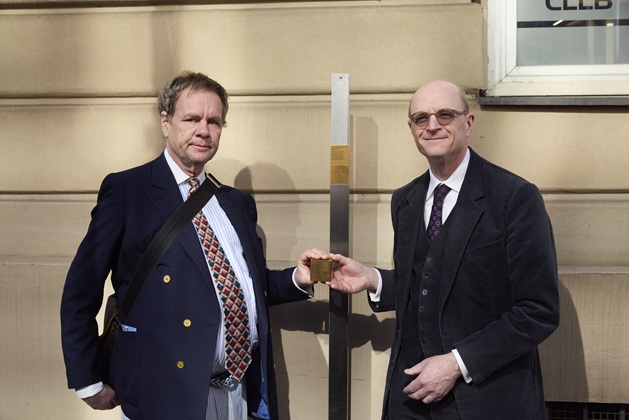
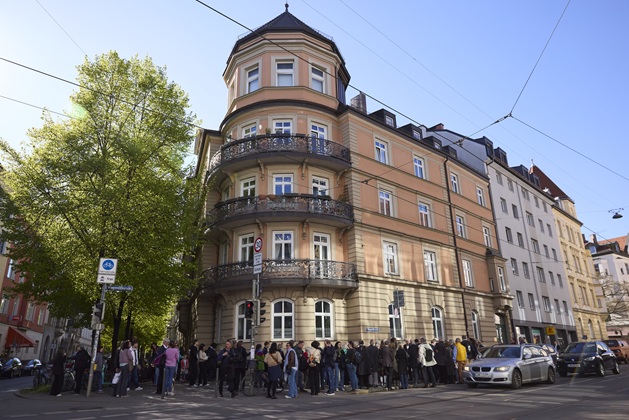
On April 23, 2026, in the presence of 11 family members , Memorial Signs honouring Hugo, Fritz, and Dora Helbing were attached at the former Helbing Auction House. Rabbi Shmuel Aharon Rodman of the Jewish Community of Munich and Upper Bavaria sang the “El Male Rachamin.”
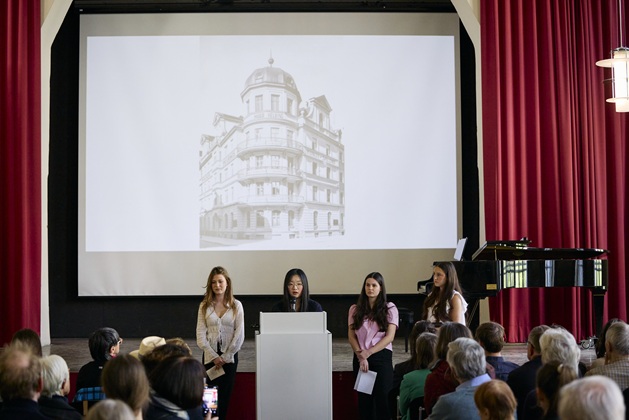
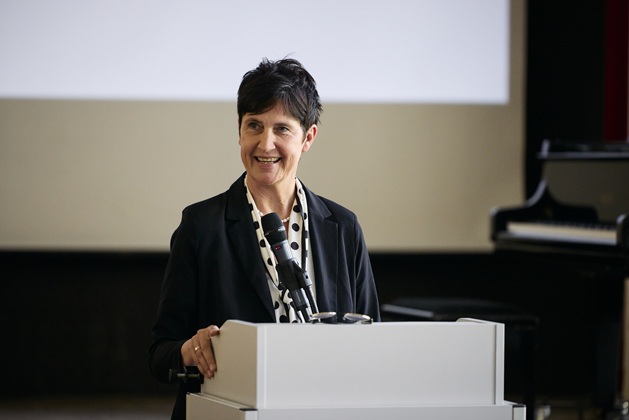
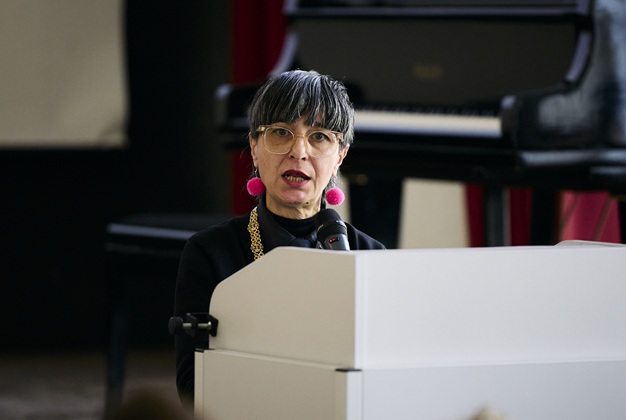
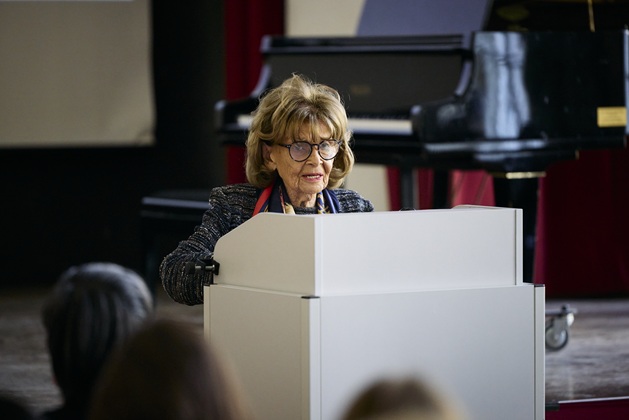
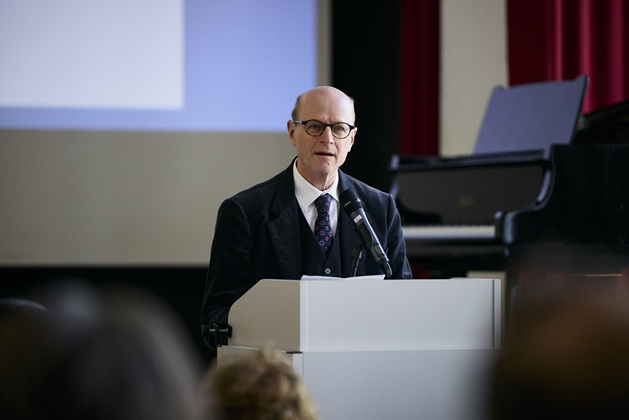
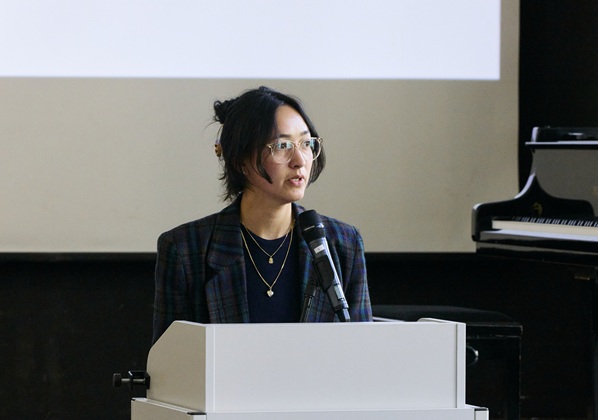
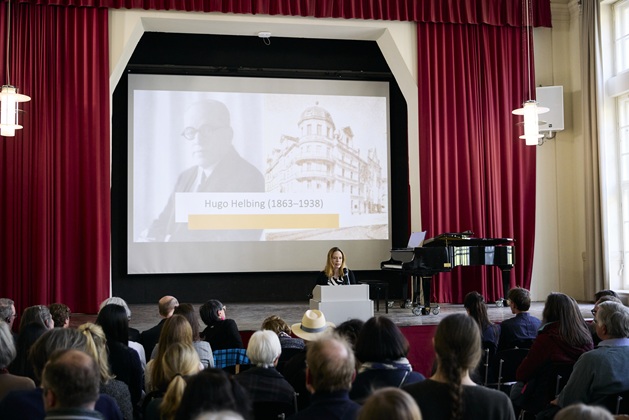
Afterwards the group of guests moved to the auditorium of the St. Anna Gymnasium, for a commemorative event for the Helbing family. Students had researched Hugo Helbing as part of a project week and presented their findings. Then Dr. Johannes Nathan spoke on behalf of the relatives, and, amongst others, Anja Akikazu Matsuda from the Helbing Art Research Project, and Prof. Dr. Meike Hopp from the German Center for Lost Cultural Property addressed the audience. Music by students of St.-Anna-Gymnasium complemented the speeches.


.svg)



-Helbing_image.jpg/jcr:content/EZ_BILD_16023.jpg)
-Helbing_image.jpg/jcr:content/EZ_BILD_16025.jpg)